Summary
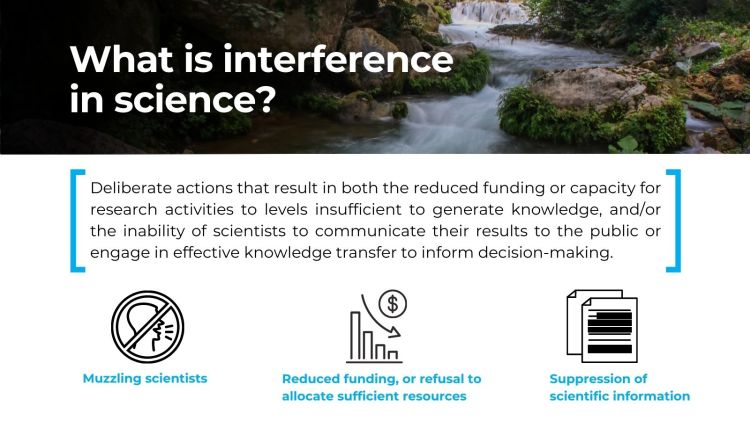
When researchers are sufficiently resourced to conduct research and communicate their findings, the knowledge produced can benefit the environment and society through policy. However, interference with the research process and its subsequent knowledge mobilization (‘interference in science’) has been observed in several countries, particularly for environmental researchers. Using a mixed-methods approach, we surveyed environmental researchers in Canada (n = 741) to investigate the perceived prevalence, source, and effects of interference and considered whether these perceptions differ by region, career stage, research area, membership to any scientific society, and social-identity.
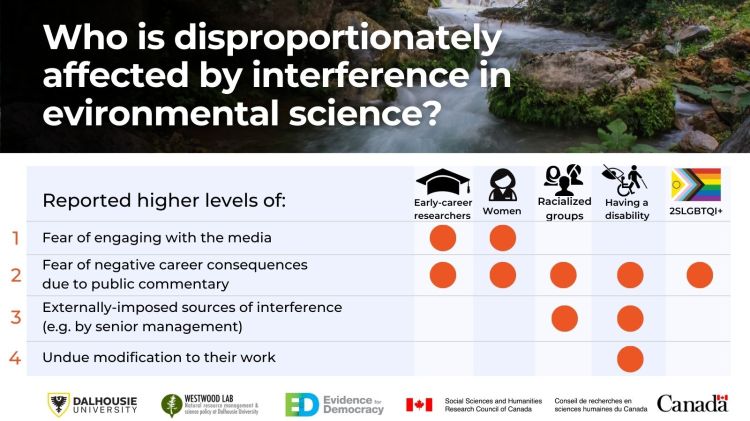
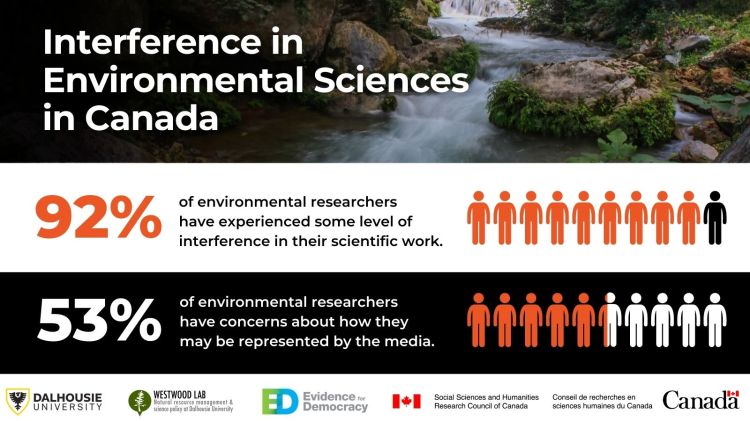
Although over half of researchers were not restricted from speaking to the media (54%), and most had never been asked to make ‘undue modification’ to their work (84%), the vast majority (92%) reported at least some degree of interference in their work during their careers. Consequences of interference were more prevalent among early career researchers and those with marginalized social-identities leading to negative impacts on job satisfaction, mental health, and undue modification to work leading to inaccurate or incomplete science communication.
Although environmental researchers in Canada deem themselves overall better able to conduct and communicate their work than under previous federal governments, reports of ongoing political interference remain concerning. We recommend increased support for researchers and further investigations into interference.

Products
Webinar
Journal Articles
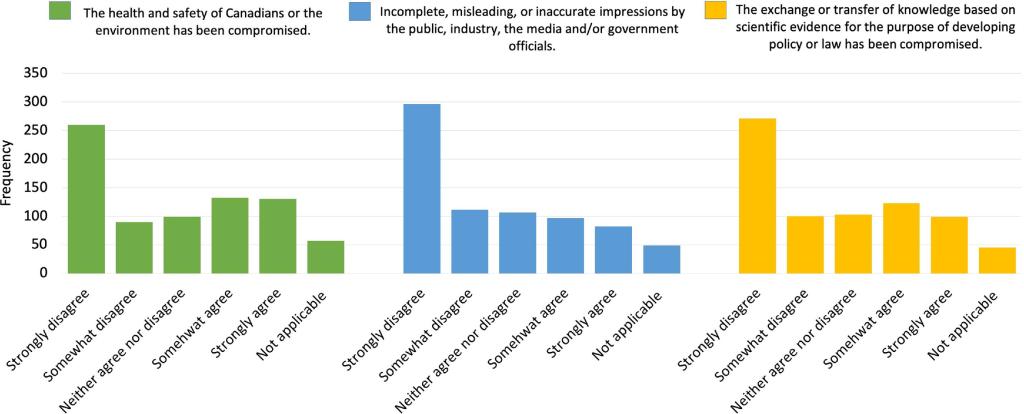
Robertson et al., 2023
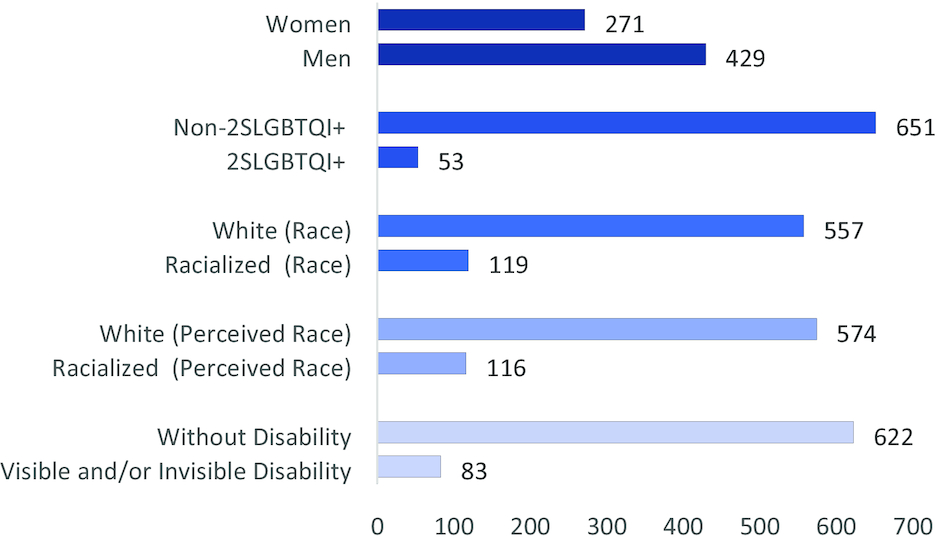
Chu et al., 2023
Op Ed

Canadian scientists are still being muzzled, and that risks undermining climate policy
by Westwood, Robertson & Chu
The Conversation, 2023
Press Release
Blog Post

Media Coverage
Podcast: Canadian climate scientists continue to face political interference
by Lorraine Chisholm
Redeye, 2024
Scientists feel interference in research has lessened but still occurs: survey
by Bob Weber
The Canadian Press, 2023
Examining political interference in environmental science
Interview with Guest Host, Carolyn Ray
CBC Mainstreet NS, 2023
Studies find political interference in science is prevalent and ongoing
by Yvette d’Entremont
Halifax Examiner, 2023
People

Dr. Alana Westwood
PI / Supervisor,
SRES at Dalhousie University

Manjulika (MJ) Robertson
Lead Researcher,
SRES at Dalhousie University

Samantha Chu
Research Team,
SRES at Dalhousie University

Dr. Philippe Mongeon
Research Committee,
SIM at Dalhousie University

Dr. Anika Cloutier
Research Committee,
LOD, Faculty of Management at Dalhousie University
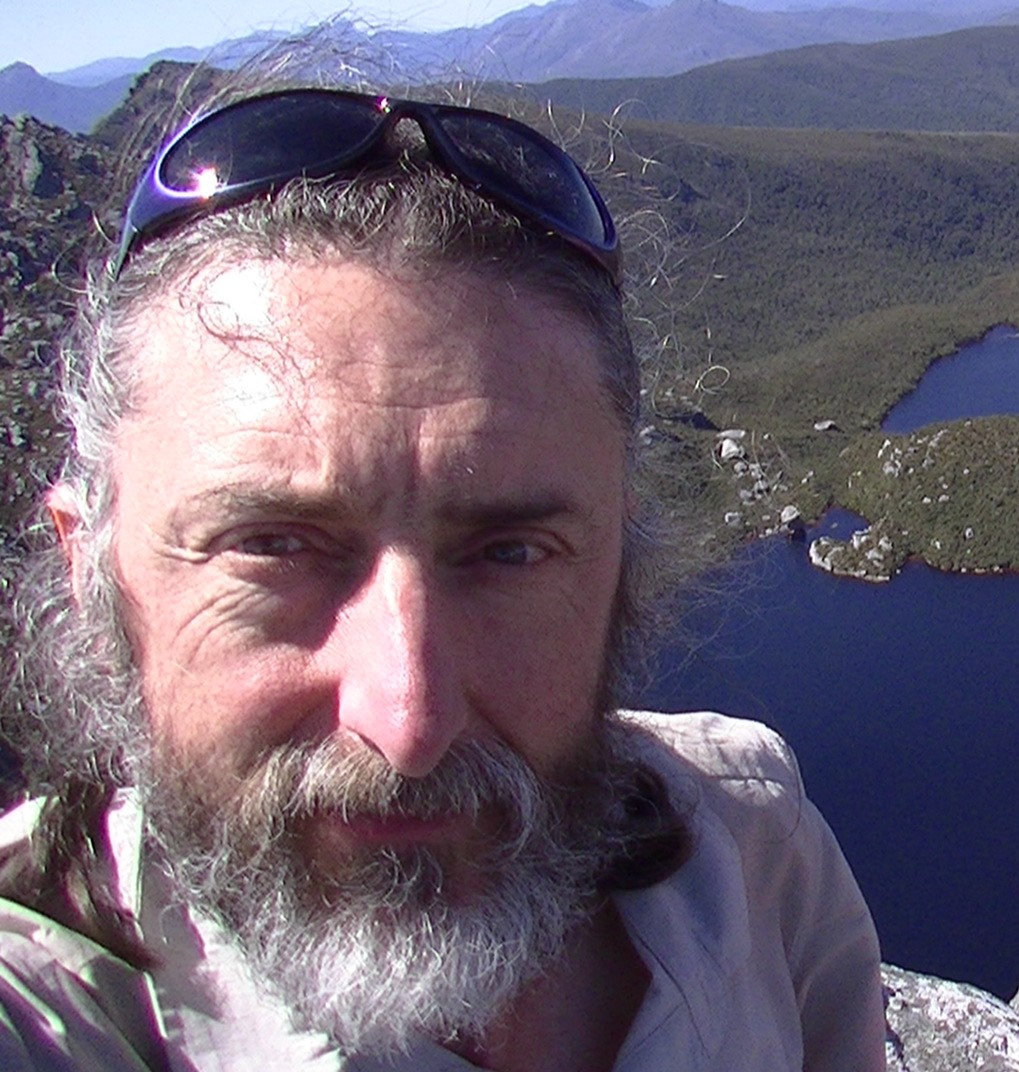
Dr. Don A. Driscoll
Research Partner / Consultant,
Deakin University
Dr. Tej Heer
Research Partner,
Evidence for Democracy (E4D)

Suchinta Arif
Research Partner,
Dalhousie University
Funding and Contribution




 Westwood Lab