Summary
Pressure from forest harvesting, alongside a legacy of acid rain, has resulted in biodiversity loss and waterscape degradation across the unique Wabanaki (Acadian and Maritime Boreal) forests of Mi’kma’ki, including Nova Scotia. Although the use of watercourse crossings (e.g., culverts) and fixed-width riparian buffers are required for forest harvesting around freshwater environments, cumulative watershed modification through timber harvesting and road building has impacted freshwater fish in Nova Scotia, cited as threats that contributed to the ‘at-risk’ status of native species such as Atlantic salmon (Salmo salar). Moreover, fishing in lakes and rivers, has historically been a uniting factor for Mi’kmaw peoples and settlers to advocate for more sustainable and inclusive forest management in NS.
The Province of Nova Scotia recently committed to shift the forestry sector towards an ‘ecological forestry’, which reduces the amount of public land harvested by clearcutting and shifts operations towards uneven-aged forest management techniques that emulate the Wabanaki forest’s natural disturbance regimes, such as wind events and insect outbreaks. While research at the intersection of forestry and freshwater ecosystems is present throughout Canada’s boreal forest region, it is lacking in Wabanaki forests. Considerable knowledge gaps remain regarding watershed planning and freshwater fish habitat as related to ecological forestry in Nova Scotia.
The lab is studying how to mitigate impacts of forestry activities (harvesting, road building, and road use) to freshwater fish habitat in Nova Scotia. More specifically, we are investigating how forestry-related watershed disturbance influences aquatic biodiversity, water temperature, and physical fish habitat quality and connectivity in river systems. The St. Mary’s River, one of the last watersheds in mainland Nova Scotia with wild Atlantic salmon continuing to return year-over-year and an area undergoing feasibility analyses with multiple partners for one of Canada’s first Ecologically Significant Area designations, is our focus area. Taking an interdisciplinary approach, we are using field studies, geospatial modelling, and participatory research related to recreation (e.g., angling) and ecotourism to better understand how climate resiliency and habitat connectivity for fish can be maintained and improved under an ecological forestry harvesting regime.
Products
Articles and associated products coming soon.
People

Dr. Alana Westwood
PI / Supervisor,
SRES at Dalhousie University

Ben Collison
Lead Researcher and PhD Student,
SRES at Dalhousie University
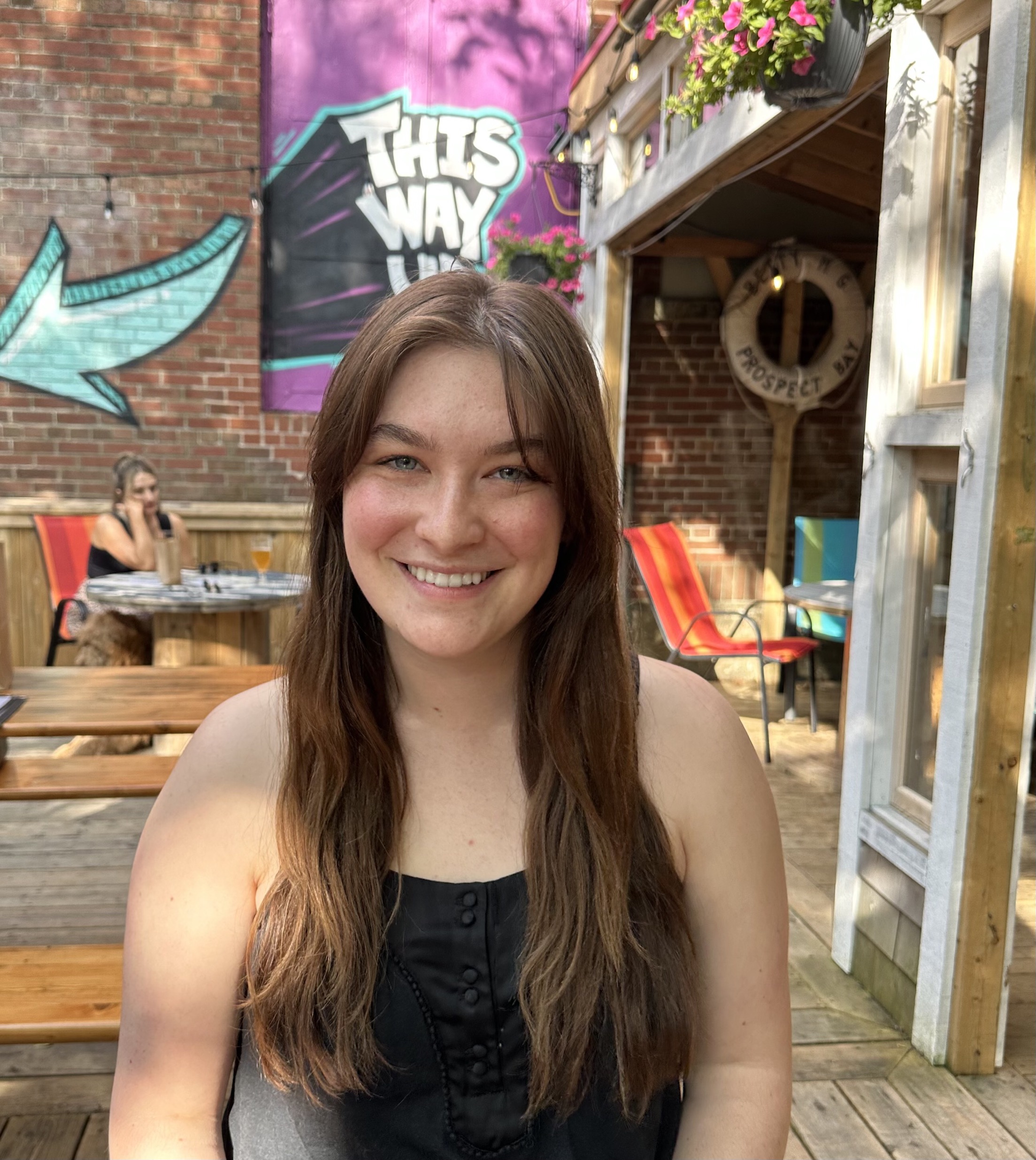
Rosie Bleyer
Research Assistant and Honour’s Student,
SRES at Dalhousie University
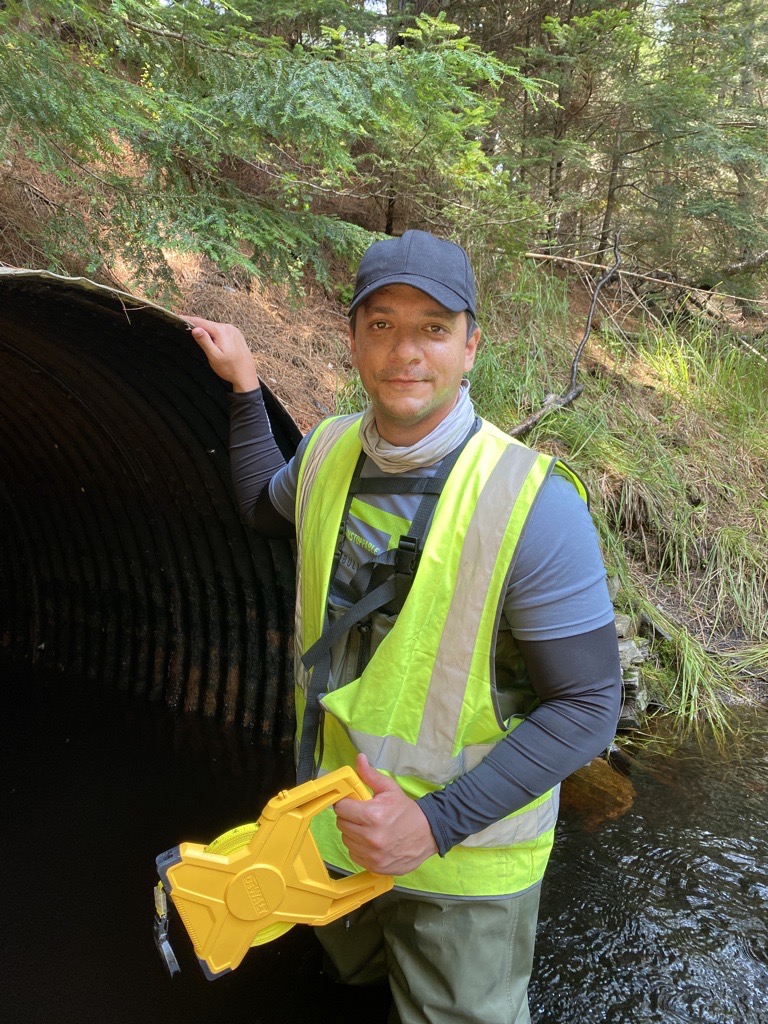
Revant Sharan
Research Coordinator,
SRES at Dalhousie University

Dr. Peter Duinker
Collaborator,
SRES at Dalhousie University

Dr. Tony Walker
Collaborator,
SRES at Dalhousie University

Dr. Lisa Doucette
Collaborator,
Nova Scotia Department of Natural Resources and Renewables

Dr. Anthony Taylor
Collaborator,
University of New Brunswick

Aimee Gromack
Partner,
Fisheries and Oceans Canada

Scott Beaver
Partner,
St Mary’s River Association
Funding and Contribution




 Westwood Lab