Coming soon is a stand-alone website and knowledge exchange portal for the EFRI which will share knowledge and data related to ecological forestry in the Wabanaki forest.
Summary
Clearcutting has been the dominant forest harvest practice in Nova Scotia, resulting in young, regenerating, even-aged stands across much of the province. As of June 2022, Nova Scotia has formally transitioned to an ecological forestry model that emphasizes the application of uneven-aged (UA) management approaches (Nova Scotia Silvicultural Guide for the Ecological Matrix). The Province of Nova Scotia has made necessary steps to implement a forestry model that may be more ecologically appropriate for the Wabanaki (Acadian) forest. However, potential implications for biodiversity conservation, the forest industry, and many other stakeholders and rightsholders are unknown. Research gaps have been identified by Research Nova Scotia’s Research Agenda: Bringing Focus to Forestry; and Dr. William Lahey’s An Independent Review of Forest Practices in Nova Scotia and its subsequent update.
The Forestry Innovation Transition Trust (FITT) is funding our efforts to address these unknowns and to communicate new knowledge about ecological forestry practices between the Mi’kmaq and settler forest stewards, policymakers, and commercial foresters to support its implementation in a timely and effective fashion.
We have identified five key research needs: 1) identifying how changing forestry practices impact road networks, at local and landscape scales, with implications for biodiversity, connectivity, and monetizable recreation opportunities; 2) assessing the effects of using tree marking to help ensure operational compliance and stand-scale biodiversity; 3) determining how to quickly value forest carbon in a way recognizable to banks and other lenders; 4) understanding Nova Scotian’s attitudes towards forestry and most effective methods for knowledge exchange with woodlot stewards and other stakeholders; and 5) supporting Mi’kmaw-led forestry with the Eskasoni Fish & Wildlife Commission, who endeavour to promote biocultural diversity within forests on their territory.
Products
More articles and associated products coming soon.
Media Coverage
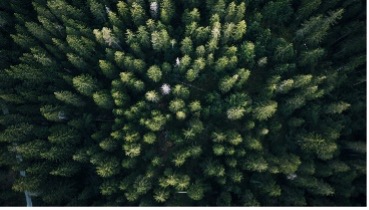
Dalhousie forestry research team receives $1.57 million to study Nova Scotian forests
Research Nova Scotia, 2023
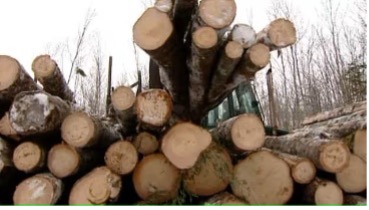
5-year study to look at how move to ecological methods affects N.S. forests, economy
by Josh Hoffman
CBC, 2023
People

Dr. Alana Westwood
Lead Investigator,
SRES at Dalhousie University

Dr. Brandon Heung
Carbon Valuation Cluster Co-Chair and Co-applicant,
Department of Plant, Food & Environmental Sciences at Dalhousie University
Dr. Anthony Taylor
Forest Management Cluster Co-Chair and Co-applicant,
Forestry and Environmental Management at University of New Brunswick
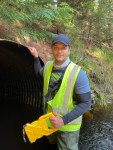
Revant Sharan
Research Coordinator,
SRES at Dalhousie University

Ben Collison
Forest Management Cluster Co-Chair,
SRES at Dalhousie University
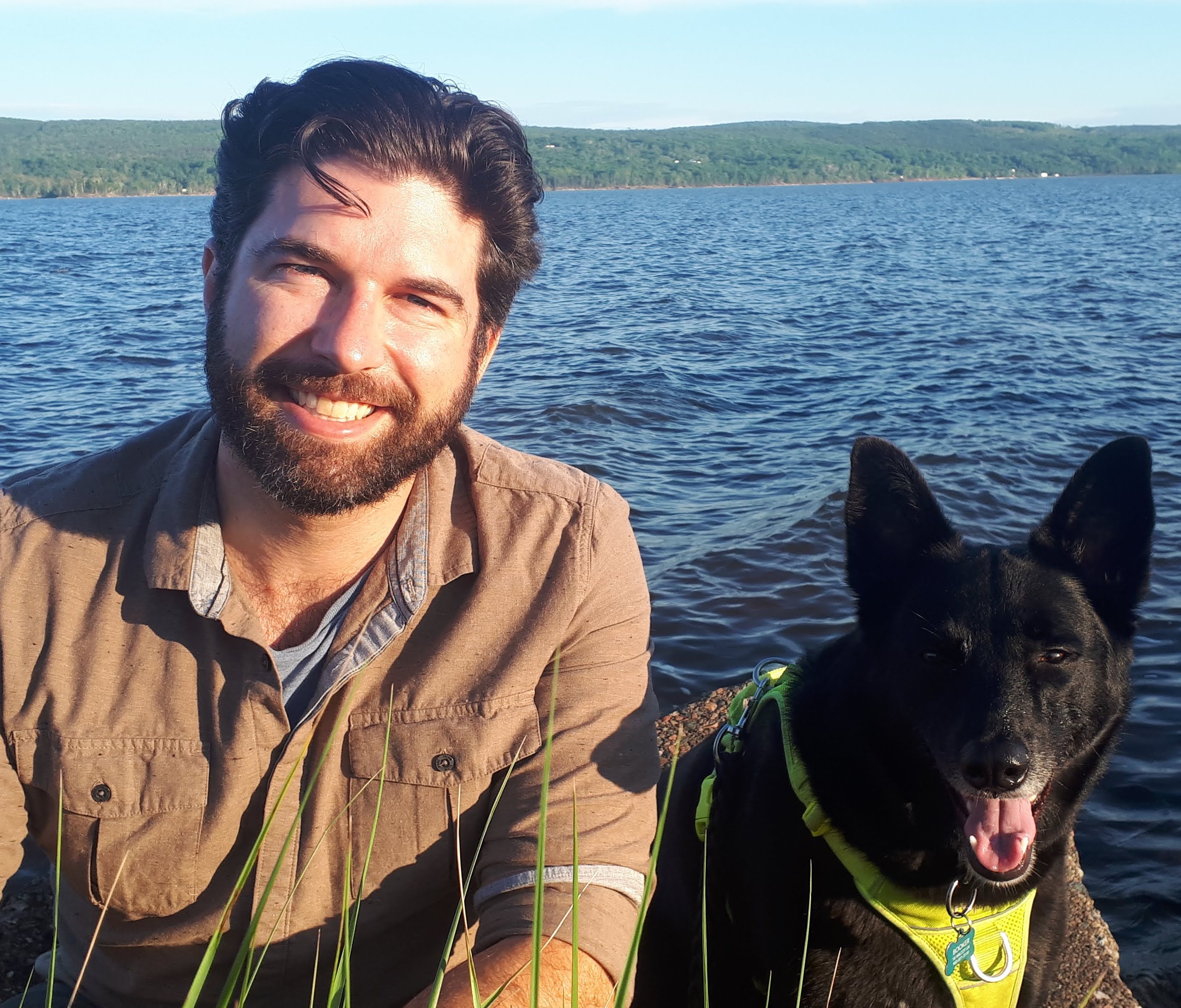
James Stephens
Carbon Valuation Cluster Co-Chair,
SRES at Dalhousie University
Funding and Contribution




 Westwood Lab