
Summary
High market prices and global demand for minerals have combined for a modern mineral rush in Canada, with the government’s ‘critical minerals strategies’ laying out roadmaps of mining development opportunities. However, risks from mining can rise when a lack of transparency, political interference, and flawed or underutilized science are factors in the impact assessment (IA) process. As a result, IA laws and procedures that govern mining development require detailed investigation to ensure that active mines and proposals for new projects are upholding rigorous scientific and regulatory standards required for a sustainable mineral rush.
Unearthing trends in environmental impact assessments for mines and quarries across Canada (Status: under review)
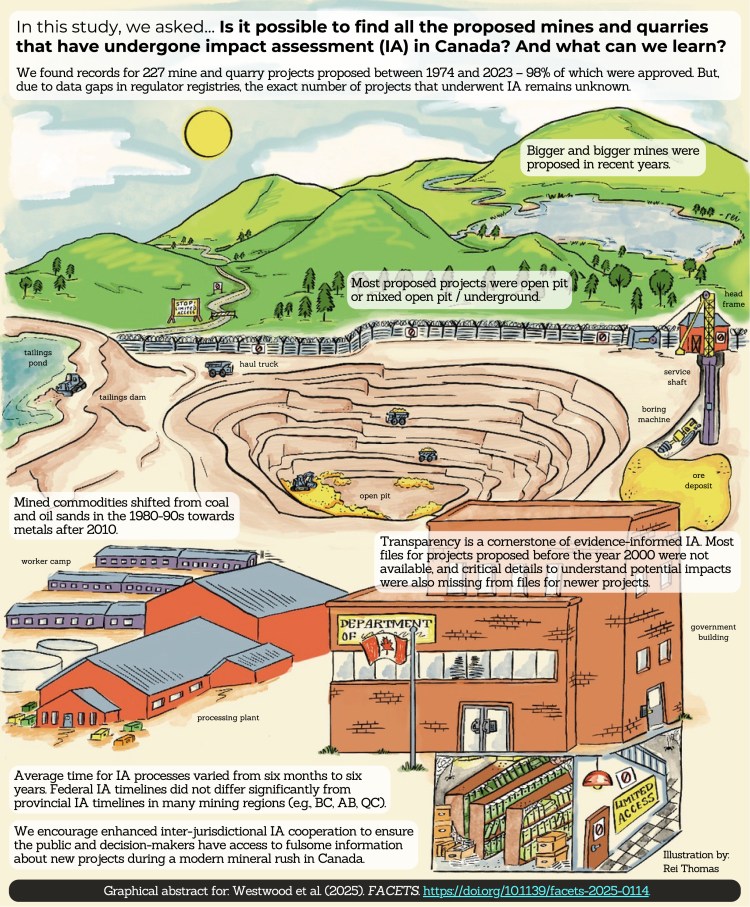
We presented the first known attempt to compile a comprehensive database of all mine and quarry projects in Canada to undergo IA under federal, provincial, and territorial regimes. To generate this database, we used access to information requests as well as public registries. In this project, we present trends across projects assessed between 1974 and 2023, including:
- Of the 227 unique projects that underwent IA, > 98% were approved.
- Over time, target commodities shifted from coal, oil sands, peat, and uranium, to metals (e.g. gold, copper, nickel) and production sizes increased.
- For many projects assessed across multiple jurisdictions, we could not explain differences in reported key metrics (production size, lifespan, footprint).
We recommend regulators enhance information sharing by standardizing key metrics, publishing complete project lists and documentation, and improving registry functionality. We encourage enhanced inter-jurisdictional cooperation to ensure the public and decision-makers are informed about potential implications of new projects during a modern mineral rush in Canada.
Boring into groundwater impact predictions of hardrock mines in Canada reveals inadequate clarity, timelines, and monitoring plans to inform decision-making (Status: under review)
Mining has the potential to alter surface and subsurface water cycles for up to centuries. Rigorous pre-development predictions and monitoring programs for impacts on groundwater are needed to inform decision makers and the public, particularly in the face of climate change. We consulted groundwater technical studies from the environmental impact statements (EISs) of 16 hardrock mines assessed under the Canadian Environmental Assessment Act, 2012 and found:
- Post-closure groundwater monitoring plans were only proposed for 38% of projects, with a maximum period of ten years (median duration = 5 years).
- Of the 6 mines (38%) that considered potential effects of climate change, none provided quantitative descriptions of these effects.
- Many documents presented accessibility barriers which may impair the participation of people living in remote and northern communities that lack robust internet access.
We make recommendations for improving the quality and transparency of groundwater predictions for mining projects in IA processes and invite other researchers to examine information related to other valued components (VCs) in these processes in Canada.
An assessment of reclamation bonds policy in critical mineral mines in Canada (Status: in preparation)
Canada’s long legacy of mining has led to challenges with orphaned and abandoned mines (OAM), with an estimated 10,000 OAMs across the country. These mines have not been adequately restored to a usable state, leading to environmental contamination. To help prevent further OAMs, provincial and territorial governments require mining companies to develop a reclamation and closure plan that outlines how the company intends to disturb the land for extraction and how they intend to restore the land so that it is in a usable condition upon completion.
Mine permit applications also include the posting of a ‘reclamation bond’ or ‘security’: money the government can use to ensure reclamation should the company be insolvent. We attempted to locate and compare critical mineral mines’ reclamation bond legislation and policies across Canadian provinces and territories.
- We examined the bond amounts and characteristics for 29 operational critical mineral mines in Canada to assess for correlations or trends.
- We found that the availability and accessibility of reclamation bond data vary across the country.
We will be comparing the posted bond amounts to the requirements set by the provincial and territorial governments to determine whether the bonds are sufficient to restore the land to a usable condition. Additionally, key variables, such as milling rate and disturbed area, proposed during the impact assessment process, will be compared to the actuals. Recommendation will be made based on our findings.
Products
Article
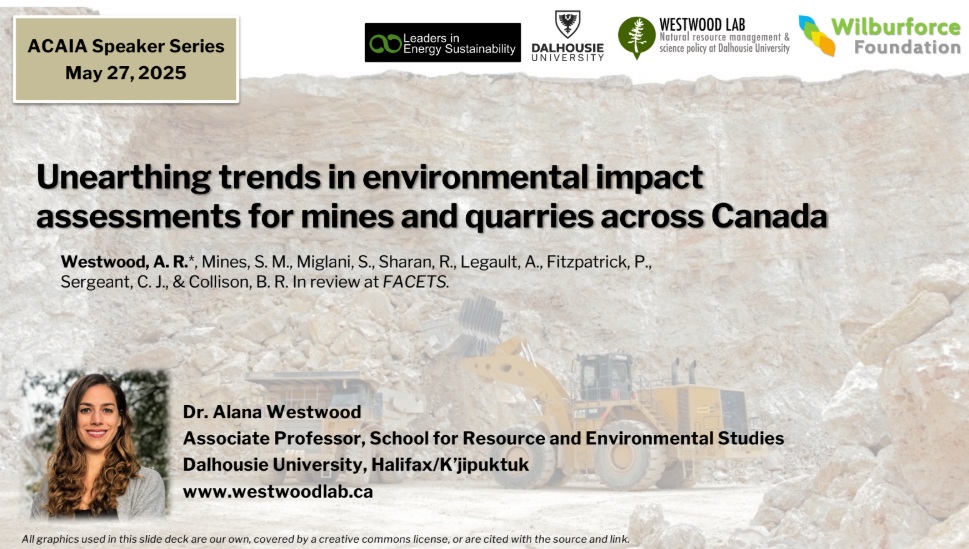
ACAIA Presentation
Op Ed
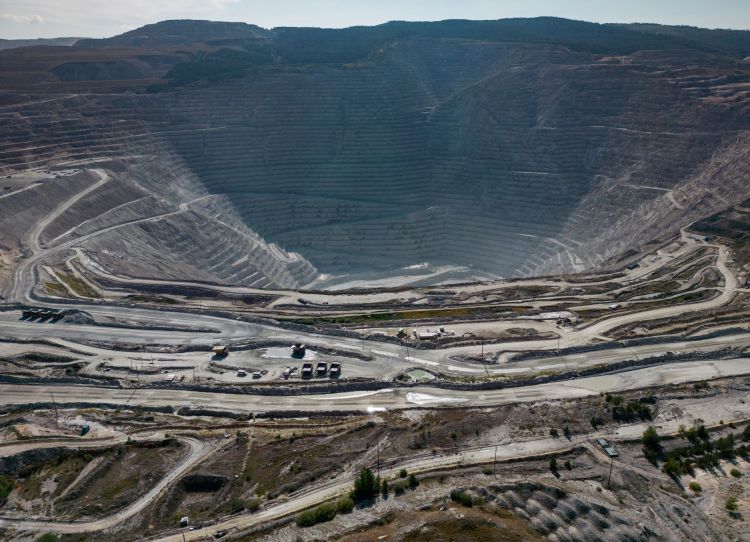
What 50 years of buried data tell us about Canada’s mining oversight
by Ben Collison
Policy Options
Politiques, 2025
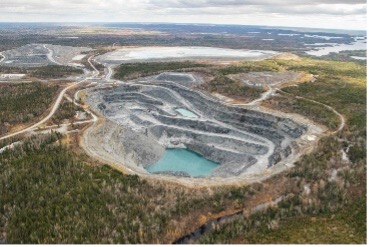
Get with the times: old laws can’t keep up with Nova Scotia’s new gold rush
by Alana Westwood
The Narwhal, 2023
Media


More articles and associated products coming soon.
People

Dr. Alana Westwood
PI / Supervisor,
SRES at Dalhousie University

Ben Collison
Lead Researcher,
SRES at Dalhousie University

Sasha Mines
Research Assistant and Coordinator,
Peter A. Allard School of Law, University of British Columbia

Sugeet Miglani
Research Assistant,
SRES at Dalhousie University

Justine Duncalfe
Research Assistant,
SRES at Dalhousie University

Sarah Landry
Research Assistant,
SRES at Dalhousie University

Dr. Chris Sergeant
Collaborator,
University of Washington

Dr. Patricia Fitzpatrick
Collaborator,
University of Winnipeg
Revant Sharan
Research Coordinator,
SRES at Dalhousie University

Patrick James
Research Assistant,
SRES at Dalhousie University
Funding and Contribution



 Westwood Lab